

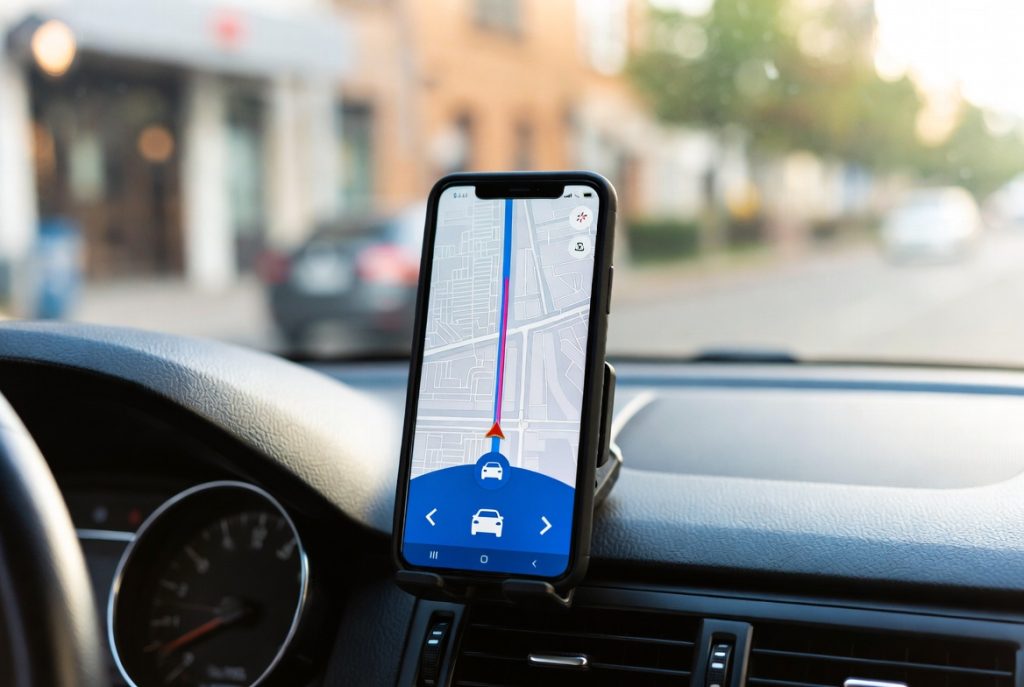
Half a dozen big carriers now run telematics through the phone in your pocket. The opt-in is two taps. The savings vary — sometimes wildly. And what the app captures while you’re enrolled isn’t always what carriers say it captures.
Telematics used to mean a plug-in dongle, a technician’s visit, or a factory-installed system. Now it’s an app permission and a background process. That’s a meaningfully different privacy tradeoff, and it’s worth understanding before you opt in for the discount.
The Three Patterns Carriers Use
Phone-based telematics programs generally fall into one of three behavioral scoring models.
Trip-level scoring: The app records each trip and scores it on acceleration, braking, speed, and phone handling. Progressive Snapshot and State Farm Drive Safe & Save work this way. You see a score per trip; the carrier builds a driving profile over 90–180 days and applies the resulting discount (or surcharge) at renewal.
Continuous background monitoring: The app runs passively and aggregates behavior over time without presenting individual trip scores. Allstate Drivewise uses this approach. Less visible to the driver, which cuts both ways — you can’t optimize for the score, but you also can’t see what’s being flagged.
Mileage-only capture: Some programs — particularly those layered onto pay-per-mile pricing — capture distance traveled without behavioral data. This is the least invasive form and the most limited in terms of discount potential.
Privacy Realities, Plainly
Each carrier’s app privacy policy describes what data is collected, retained, and shared. The honest summary across most of them: location data is collected. Trip data is stored, typically for the policy term and sometimes beyond. Most carriers state they don’t sell data to third parties in an individually identifiable form. “Aggregated and anonymized” sharing is common and disclosed in the fine print.
The more pointed question is what happens if you’re in an accident. Trip data logged by your own insurance carrier’s app is potentially discoverable in litigation. This isn’t hypothetical — it’s happened. If you drive professionally or in high-liability contexts, talk to an attorney about this before enrolling, not after.
For most urban drivers without unusual risk exposure: the privacy tradeoff is real but manageable. Know what you’re sharing. Don’t assume the app is off when the screen is dark.
Discount Ranges by Carrier
Progressive Snapshot: Up to 30% discount for good drivers; potential surcharge for poor scoring (this is rare but disclosed). The program is 6 months of monitoring followed by a permanent rate adjustment. Strong actuarial rigor; less flexible than others.
State Farm Drive Safe & Save: Up to 30% discount, with an initial enrollment discount of around 5% just for signing up. Scores reset at renewal, so good behavior needs to be consistent across terms.
Allstate Drivewise: Up to 40% discount claimed; real-world averages closer to 10–15%. No surcharge for bad behavior — which makes it low-risk to try. Continuous monitoring model; no per-trip feedback.
Geico DriveEasy and Nationwide SmartRide round out the major carriers. Average real-world discounts across the industry settle around 10–15%. Thirty percent requires driving profile that looks near-perfect on the app’s metrics.
A Two-Week Test Drive
Most programs let you disenroll during the monitoring period, though the initial enrollment discount may be reversed. A practical approach: enroll, drive normally for two weeks, check your trip scores, and decide if the trajectory looks favorable before committing to the full monitoring window.
City driving is harder to score well on than suburban driving. Stop-and-go traffic produces braking events. Dense traffic forces faster acceleration off lights. If you’re in a data center of cars every morning, your score will reflect it. Adjust expectations accordingly — and don’t enroll in a surcharge-eligible program during a stretch of unusually stressful commuting.
What to do this week: Check if your current carrier offers a phone-based telematics discount, review the privacy policy for data retention terms, and enroll if there’s no downside surcharge. Compare coverage options that actually fit how you drive →
Last modified: April 1, 2026
About the Author: Jordan Lee