

Some “green” insurance programs save you money. Others just market well. Sorting the two is mostly about reading the fine print on the discount itself — specifically whether the savings are a flat percentage applied to your existing premium or an actuarial adjustment that actually re-rates your risk.
The distinction matters because “up to 10% off” can mean 2% in practice, applied only to the comp portion, which is 18% of your bill. Do the math before the press release lands on you.
The Three Categories of Green Discount
Break down every “eco” or “sustainability” insurance offer into one of three buckets.
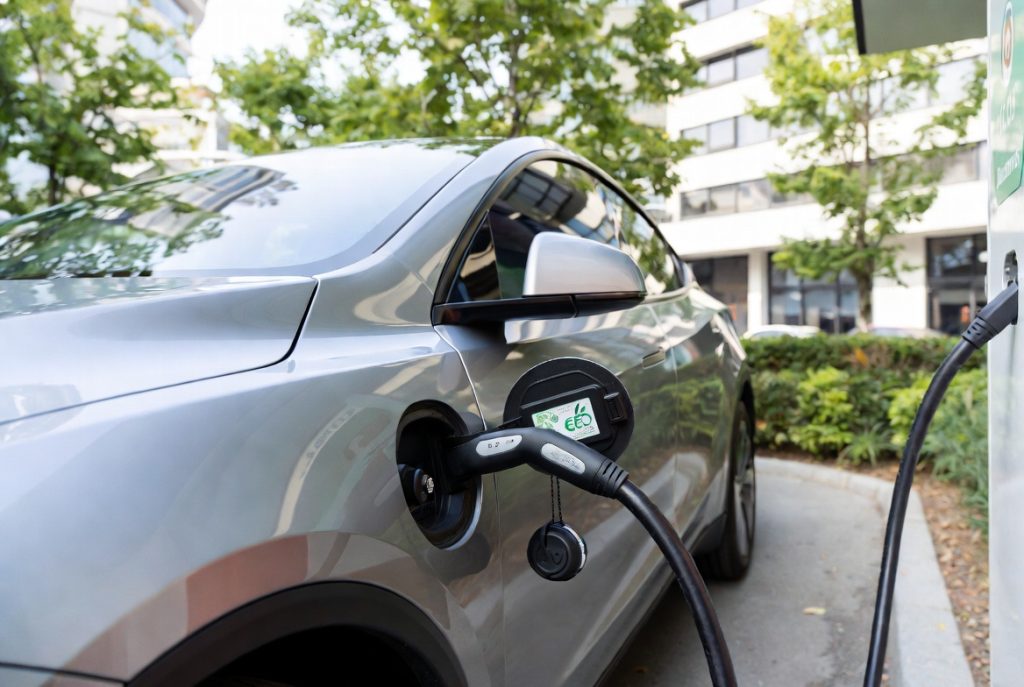
EV-specific pricing: A true actuarial adjustment based on EV risk profile — which is actually favorable in several categories. EVs brake smoother (regenerative), have lower theft rates on some models, and involve fewer fluid-related claims. Carriers like Lemonade, NJM, and several regional players have started re-rating EVs as a distinct risk tier rather than just tagging them as a surcharge for higher repair costs. This is real money.
Hybrid premium handling: Hybrids sit between ICE and EV on the pricing curve. Some carriers give a small discount (3–5%) purely for being a hybrid; others fold the higher battery replacement cost into rates and net you nothing. Whether you benefit depends on the make, model, and carrier combination. Shop with your VIN in hand, not a general category.
Carbon-offset endorsements and paperless billing: These are almost always marketing. Paperless billing discounts typically run $1–3/month. Carbon-offset add-ons let you pay more for a feel-good certificate. Neither affects your actual premium structure.
What’s Real vs. Branded
Real green discounts show up on your declarations page as a named discount line with a specific dollar amount. Branded ones appear in your carrier’s marketing email but not on your policy documents.
Ask your agent or carrier directly: “Is there a named EV or hybrid discount on my policy, and what is the exact dollar value?” If they can’t answer that question with a number, the discount isn’t structural — it’s positional.
Tesla owners have historically faced a mixed picture: high repair costs push some carriers to surcharge; low mechanical complexity and strong safety scores push others to discount. The variance across carriers on a Model 3 can be $600–$1,200 annually on the same coverage level. That gap is worth the hour it takes to get three quotes.
Carbon-Offset Add-Ons
A handful of carriers — Allstate and Nationwide included — have offered carbon-offset programs tied to your policy. The mechanism: a small monthly fee goes to verified carbon offset purchases (reforestation, methane capture, etc.) on your behalf.
These are legitimate environmental products. They are not insurance discounts. They cost you money rather than save it. If you value the offset, it’s worth knowing that you can buy identical offsets from Gold Standard or Climate Action Reserve for the same or lower price without routing it through your insurer’s margin.
A Simple Yes/No Audit
Pull your current declarations page. Run through four questions:
Does it show a named EV or hybrid discount? (Yes = you have it. No = you may be leaving money on the table.) Does your carrier offer telematics, and are you enrolled? (Telematics discounts average 10–15% and stack with EV discounts at most carriers.) Are you paying for a carbon-offset add-on you didn’t knowingly choose? (Check the endorsements page.) Is your annual mileage under 8,000? (If so, an EV on pay-per-mile pricing may beat any green-discount program outright.)
Three “no” answers on the first two questions means your current policy hasn’t priced your actual vehicle and driving pattern. Time to requote.
What to do this week: Pull your declarations page, search for named discounts, and requote with at least two EV-friendly carriers if you drive an EV or hybrid. Compare coverage options that actually fit how you drive →
Last modified: March 27, 2026
About the Author: Jordan Lee