

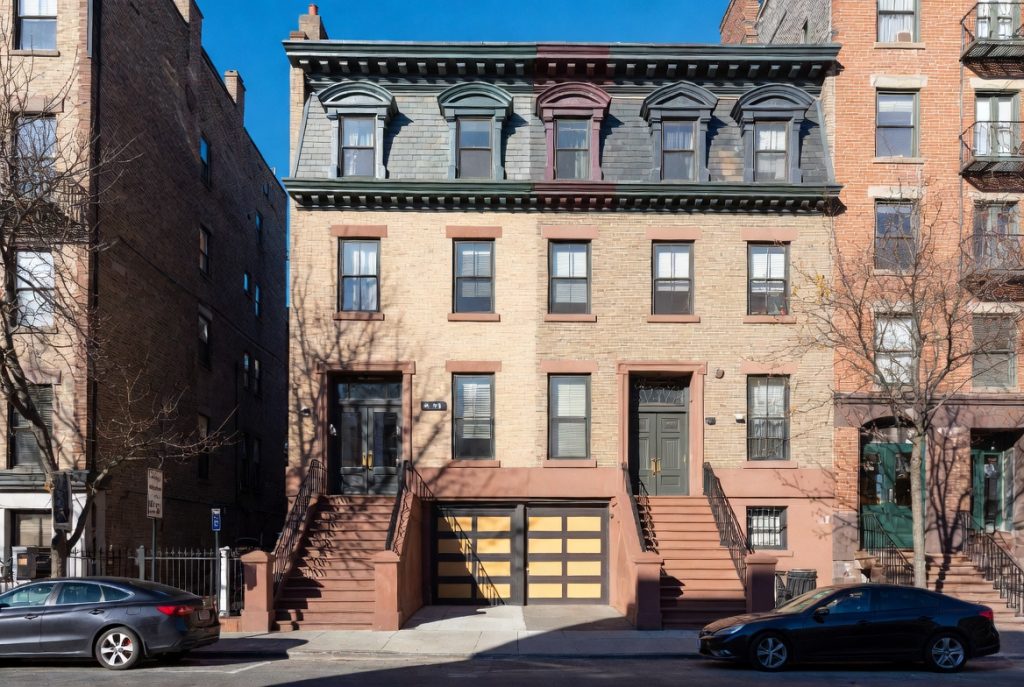
Where you park overnight changes your premium more than most urban drivers expect. Carriers don’t volunteer the logic behind garaging-location pricing, but the data driving it isn’t proprietary — it’s claim history by address type, theft rate by neighborhood, and fire/flood exposure by structure. Understanding what each common urban parking situation looks like to an underwriter gives you leverage to price it accurately.
How Carriers Code Each Option
When you apply for auto coverage, the garaging address is one of the primary rating variables. Carriers use that address — combined with zip-code claim data — to price theft, vandalism, and weather exposure. But the type of structure matters almost as much as the location.
Most carriers use a garaging code: private garage (enclosed, locked, attached or detached from a residence), rented enclosed garage, open lot or deck, or street parking. Each code carries different risk assumptions. A locked private garage attached to a residential property is the lowest-risk code in most systems. Open overnight street parking in a dense urban zip is the highest.
The difference in premium between the best and worst garaging code for the same car in the same zip code can be 10–20% on comprehensive and collision combined. That’s real money annually, and the difference between codes isn’t always as large as you’d expect physically.
The Brownstone Curb Scenario
Most brownstone residents don’t have an attached garage. The typical parking arrangement is street parking in front of the building or within a few blocks — which codes as street parking, regardless of how quiet or residential the block feels. Street parking in a city zip rates at the highest theft and vandalism exposure level, because the car is unenclosed and accessible from the sidewalk at any hour.
Some brownstones have private curb cuts or deeded parking pads that may code as “private lot” rather than street parking — check with your carrier how they classify a deeded off-street space with no enclosure. The theft exposure is similar to street parking, but some carriers rate it slightly better because the space itself is not public.
The premium implication of brownstone street parking is most visible on comprehensive. Theft, smash-and-grab, and vandalism claims cluster heavily on street-parked vehicles. If you’ve ever seen how quickly a catalytic converter disappears from a street-parked Prius at 3 a.m., you understand why carriers price that exposure.
Townhouse vs. Apartment Garage
Townhouses sometimes include attached or accessed private garages — an actual enclosed, lockable structure connected to the unit. That’s the premium-favorable scenario. It codes as private garage, which is the lowest-risk category. Even a ground-floor garage in a townhouse with a mechanical door significantly outperforms street parking on theft exposure, because most vehicle theft is opportunistic — visible, accessible vehicles are targeted far more than enclosed ones.
Apartment buildings with parking garages are a middle category. A managed enclosed parking deck in a residential building is better than street parking but typically codes differently from a private attached garage. The deck is shared, has variable access control, and may have vehicle-to-vehicle contact exposure (other tenants backing into your car). Carriers often rate managed deck parking as lower risk than street but not equivalent to private enclosed.
The difference between a ground-floor townhouse garage and a managed apartment deck is usually smaller than people expect — both are substantially better than street parking, and the premium difference between them is typically modest. The meaningful gap is between any enclosed parking and open street parking.
A Short Premium-Impact Comparison
The numbers vary significantly by carrier, zip code, vehicle, and driver profile, but a rough ordering of garaging scenarios from lowest to highest premium impact looks something like this:
Private attached garage — lowest theft/vandalism exposure, best comprehensive rate. Private detached locked garage — very similar to attached. Rented enclosed private space — slightly higher than deeded private, depends on access control. Managed enclosed apartment deck — better than street, rated on deck-specific claim history. Deeded outdoor pad or curb cut — minimal advantage over street. Open overnight street parking — highest exposure, highest comprehensive pricing.
If your situation is in the middle categories and you’re not sure how your carrier is coding it, ask specifically: “What garaging code is my policy currently rated under?” If the code is wrong — if you have an enclosed monthly space but you’re coded as street parking — correcting it could produce a meaningful immediate refund of overpaid premium.
Urban theft data in major cities has driven comprehensive rates in street-parking zip codes significantly higher over the past several years. Getting your garaging code right is one of the few levers you control directly.
What to do this week: Call your carrier and ask which garaging code your policy uses — then confirm it matches your actual overnight parking situation and request a correction if it doesn’t. Compare coverage options that actually fit how you drive →
Last modified: March 23, 2026
About the Author: Jordan Lee