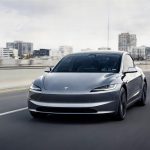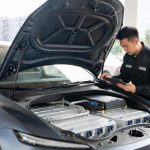

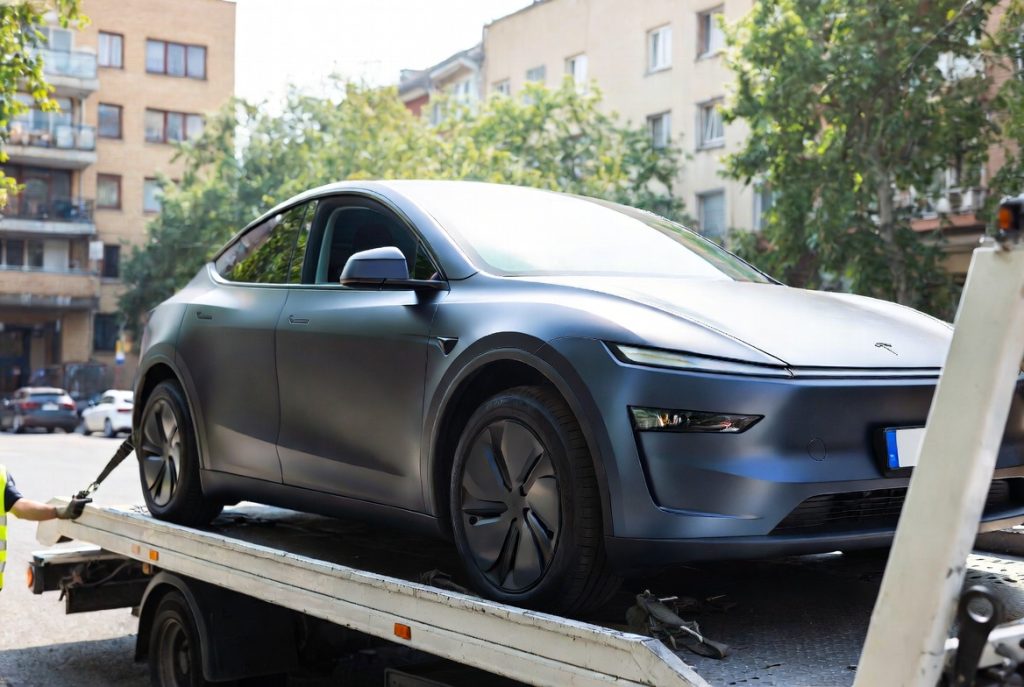
EVs need flatbeds. Almost every standard roadside plan starts with “we’ll send a truck” — but only some plans, written some ways, actually send the right one. The distinction matters in a way it never did with gas cars, because the wrong tow truck doesn’t just inconvenience you. It can damage your vehicle in ways that cost thousands to diagnose and repair.
Why Flatbeds Are Non-Negotiable
Most roadside assistance plans were written when “tow truck” meant a hook-and-chain or a wheel-lift setup. Those methods work fine for ICE vehicles, where two drive wheels can spin freely while the other two are lifted. They’re problematic for EVs.
All-wheel-drive EVs — which describes most Tesla, Rivian, and many other EV configurations — can’t be safely wheel-lifted from either end. The drivetrain on an AWD EV puts power to all four wheels through sealed, motor-integrated systems. Dragging wheels that aren’t spinning on the ground generates heat and back-EMF in the motor. Extended drag can cause permanent motor damage. This isn’t a rare edge case; it’s basic EV drivetrain physics.
Rear-wheel-drive EV configurations (some single-motor Teslas, some entry-level configurations) can technically be towed by lifting the front — but manufacturer guidance still recommends flatbed in most breakdown scenarios. Transport mode — a feature that puts the drivetrain in a neutral-like state — needs to be activated before any tow, and not all drivers know to do it or know how.
The short version: flatbed tow only. That needs to be explicit in your roadside plan, not implied.
What Standard Roadside Coverage Actually Promises
Roadside assistance bundled with auto insurance is often the path of least resistance. It’s convenient, it’s usually cheap (or included), and you only need one card in your wallet. The coverage language, though, is designed for gas-car scenarios.
Standard roadside typically promises: a tow to the nearest qualified repair facility. For an EV, “qualified” is doing a lot of work. The nearest shop that can actually work on a battery system or perform a proper diagnostic for EV power issues may not be the nearest shop that accepts tow deliveries.
Mileage limits are the other catch. Many roadside plans cap the covered tow at 15 or 25 miles. In a city, that often gets you to a dealership or a service center. On a highway or in a suburb with sparse EV infrastructure, that 25-mile cap might not get you anywhere useful. You pay out of pocket for the rest.
Check your plan’s EV-specific language. If it doesn’t mention flatbed explicitly, call the number and ask them to walk you through what they send for an AWD EV breakdown. The answer will tell you whether the plan was written with EVs in mind.
Manufacturer Roadside vs. Carrier Roadside
Most EV manufacturers include roadside assistance with new vehicle purchase — typically 4 to 8 years, sometimes tied to the warranty period. Tesla’s Roadside Assistance is included with vehicle purchase. Rivian, Ford (for Lightning), and GM (for Silverado EV and Blazer EV) all have programs. These manufacturer programs are specifically trained on their vehicles, know to dispatch flatbeds, and know how to activate transport mode remotely in some cases.
The manufacturer program is usually the better first call for EV-specific breakdowns. The carrier program may be better for non-breakdown scenarios — dead 12V battery (yes, EVs have them), lockouts, tire changes — where the vehicle itself isn’t the problem.
Understand which program covers which scenario, and make sure both numbers are in your phone before you need them. The roadside call is not when you want to be figuring out which service to dial.
A One-Line Clause to Look For
When reviewing any roadside plan — insurance-bundled or standalone — look for explicit language along these lines: “flatbed transport required for electric vehicles” or “EV-compatible tow dispatch.” If the document doesn’t mention EV tow requirements, the plan wasn’t written to account for them.
Standalone roadside programs from companies like Better World Club and some EV-specific insurers have updated their plan language. If your current carrier’s roadside coverage is silent on EVs, it’s worth either adding a standalone plan or switching to a carrier whose roadside documentation reflects how EVs actually work.
The cost difference between a basic roadside plan and an EV-appropriate one is usually negligible. The cost difference between a proper flatbed tow and a motor repair from an improper one is not.
What to do this week: Find your roadside assistance card or app and look up the plan language. Search for “electric vehicle” or “flatbed.” If neither term appears, call the provider and get a verbal confirmation on record — or shop for a plan that puts it in writing. Compare coverage options that actually fit how you drive →
Last modified: February 9, 2026
About the Author: Jordan Lee