

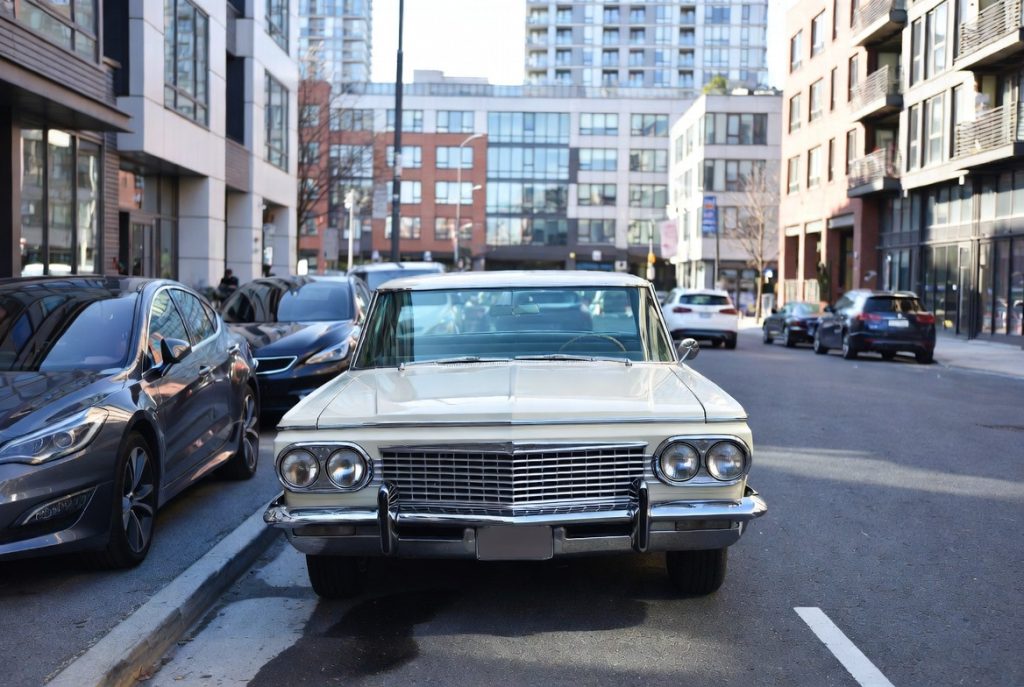
Classic and collector policies were designed with a suburban garage in mind — low mileage, weekend drives, car shows, long stretches of covered storage. Insuring a 1978 BMW in a Brooklyn parking structure is a slightly different conversation. The policies exist, the coverage works, but the assumptions embedded in standard collector terms need more negotiation than the average city-dwelling vintage car owner expects.
Standard Auto vs. Agreed-Value Policies
The core reason to use a specialty collector policy rather than a standard personal auto policy for a vintage car is agreed value coverage. Standard policies pay actual cash value (ACV) in the event of a total loss — the market value of the car at the time of the claim, depreciated for age and condition. For a 1978 BMW 633CSi, ACV as computed by a standard insurer is often a fraction of what the car would actually sell for to a knowledgeable buyer.
Agreed value policies set a value at policy inception — you and the carrier agree, in writing, that the car is worth $35,000 or $52,000 or whatever the documented figure is — and the policy pays that full amount in the event of a covered total loss, without depreciation. Hagerty, Grundy, and American Modern are the primary specialty carriers in this space. Each has somewhat different program structures and eligibility requirements.
The premium difference between a standard policy and a collector policy on a vintage car can be significant — collector policies are often cheaper for the coverage they provide, because usage is limited and the carrier assumes the car is garaged and driven carefully. That assumption is where urban storage creates friction.
The Mileage and Storage Clauses
Most collector policies include annual mileage caps — typically 2,500 to 7,500 miles, depending on the program — and require that the vehicle have another insured vehicle available for daily transportation. These programs are designed for cars that are driven recreationally, not as primary transportation. If you’re using a vintage car as your daily driver or primary commute vehicle, most specialty collector policies will either exclude coverage or require a different program tier.
Storage requirements are often explicit. Many collector programs require that the vehicle be garaged in a locked, private structure when not in use. “Garaged” typically means a true garage — not a parking lot, not a covered structure open on multiple sides, and not a managed parking deck in some policy interpretations. This is the clause that creates the most friction for urban owners.
The key conversation with your specialty carrier is whether your storage situation qualifies. A locked private garage in a brownstone basement? Generally yes. A reserved spot in an enclosed parking deck? Depends on the carrier and how the deck is classified. Open-air overnight street parking? Almost certainly no — and attempting to collect under a policy that required “garaged” storage when the car was street-parked is a claim that will be scrutinized hard.
Urban Storage Realities
Cities aren’t short of parking options, but they’re often short of options that match classic car policy definitions. Monthly garage rentals in a private enclosed structure exist in most dense urban areas — the cost varies widely, but $200–$400/month in a major city for an enclosed single space is realistic.
For a vintage car worth $40,000+, that storage cost is insurance premium, not just parking cost. Run the math including storage against the agreed-value coverage you get, and it often still pencils out better than insuring the same car under a standard policy on the street.
Some specialty carriers have adapted their programs for urban owners with enclosed deck parking. Hagerty’s DriveShare and urban-specific rider options have evolved to address exactly this. Call and describe your specific situation — building type, deck structure, lock configuration — rather than guessing whether your setup qualifies.
How to Actually Prove “Agreed Value”
Agreed value isn’t arbitrary. Carriers require documentation: a recent appraisal from a recognized appraiser for that marque or category, photographs of the car in its current condition, service records, and sometimes a vehicle inspection. The appraisal is the most important piece. Collector car appraisers for specific marques exist in most major cities — the cost is typically $150–$300 and it’s valid for several years if the car’s condition doesn’t change materially.
Keep your appraisal, photographs, and service records somewhere other than the car. A fireproof home safe or a cloud backup is the obvious solution. If the car is totaled in an urban parking fire, you want the documentation proving agreed value to be somewhere other than the car that just burned.
What to do this week: Get a current appraisal quote and call Hagerty or Grundy to discuss whether your specific storage situation qualifies for their programs. Compare coverage options that actually fit how you drive →
Last modified: March 16, 2026
About the Author: Jordan Lee